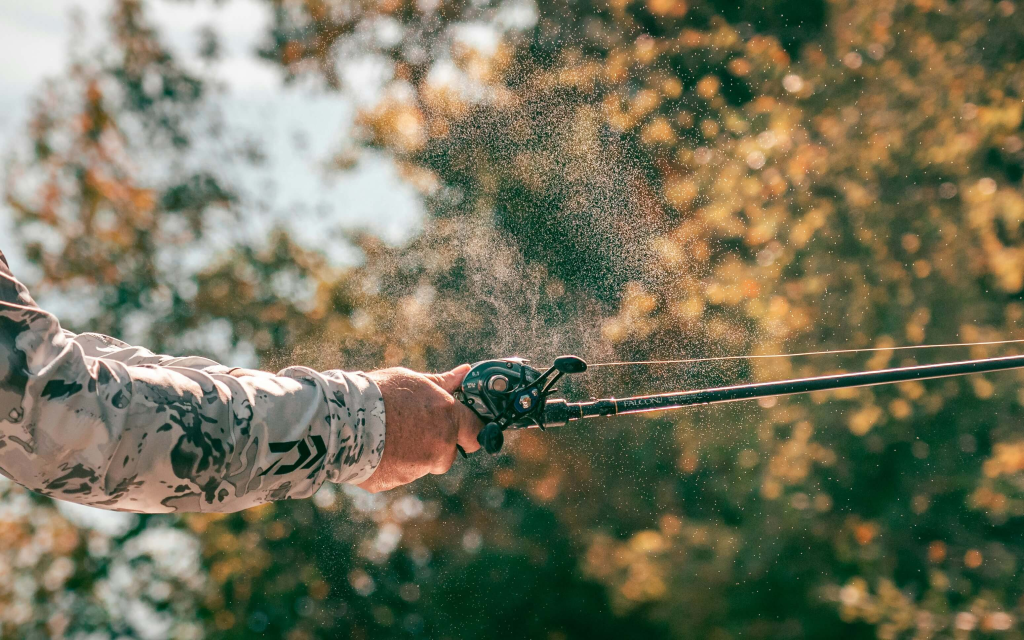

Dreaming of Big Bass
At Big Bass Miami, we turn the dream of landing trophy bass into reality. Whether you’re a seasoned angler or just starting your fishing journey, we will guide you to the best spots in Miami to pursue the catch of a lifetime. Known for its vibrant ecosystem and world-class largemouth bass, Miami offers an unmatched experience for those who dream big — and fish even bigger. Big Bass Miami ,where your passion for the sport of Bass Fishing meets the thrill of the chase.
The Thrill of the Chase
Chasing Big Bass in Miami is more than a hobby it’s an adventure! South Florida’s lakes, canals, and hidden waterways are home to some of the largest bass in the country, offering anglers a rare chance to test their limits against these powerful fish. The pursuit of a trophy bass inspires long casts at dawn, quiet focus as the water ripples, and the rush that comes when a giant finally strikes. In Miami, dreaming of Big Bass isn’t just for seasoned anglers; it’s an invitation for anyone who loves the outdoors to experience one of fishing’s greatest rewards — the unforgettable moment when a massive bass breaks the surface and your dream becomes reality.


Big Bass Miami celebrates this tradition, offering a glimpse into the excitement of fishing for bass that can grow to astonishing size. Whether standing at the water’s edge at sunrise or exploring quiet backwaters where shadows conceal trophy fish, anglers here share one goal: to connect with a bass so impressive it feels like part of Florida history.
Florida has long been the heart of trophy bass fishing, and nowhere does that passion shine brighter than in Miami. The region’s warm waters, winding canals, and lush lakes invite anglers to chase their own vision of a Big Bass, echoing the state’s legendary catch — Billy O’Berry’s 17.27-pound largemouth bass, landed in Polk County in 1986.

My Big Bass Gallery
Pursuing Big Bass in Miami isn’t just about numbers on a scale. It’s about the anticipation of the strike! The power of a fish that bends your rod! The timeless connection between people, water, and the thrill of discovery. In the heart of South Florida, every cast carries the promise of a moment that might rival the state record and a story that lasts a lifetime.


Frequently Asked Questions
Where do you recommend I go Bass fish in Miami?
If you’re wondering where to go bass fishing in Miami, here are some of the best places — grouped by the kind of experience you want:
Urban Canals (Great for Peacock & Florida Bass)
- C-100 Canal (Kendall area) – One of the top spots for peacock bass; also holds solid Florida bass.
- Snapper Creek Canal (C-2) – Good bank access and plenty of rocky structure.
- Tamiami Canal (C-4) – Runs through the city; produces peacocks, largemouth, and Mayan cichlids.
Public Lakes & Parks
- Amelia Earhart Park (Hialeah) – Several connected lakes with good bass populations.
- Tropical Park Lake – Family-friendly with easy shoreline fishing.
- Larry & Penny Thompson Park – Larger water with room to explore.
Just Outside the City
Biscayne Canal (C-8) – Great for peacock bass and snook near urban structures.
Airport Lakes / Blue Lagoon – Near MIA airport; fish from shore or kayak.
Everglades Holiday Park (west of Miami) – A short drive for classic Florida bass action in sawgrass marsh.
Largemouth Bass vs Peacock Bass, which is better?
Both Florida bass and peacock bass are incredible fish to target in Miami — but they shine in different ways. Here’s a breakdown so you can decide which one is “better” for you:
Florida Bass (Micropterus floridanus)
- Native to Florida; the state’s legendary trophy fish.
- Thrive in lakes, canals, and Everglades marshes with vegetation.
- Famous for massive size — fish over 10 lb are possible, and the state record is 17.27 lb.
- Hit frogs, swimbaits, soft plastics, and jigs with explosive surface strikes.
- Fight with strong runs and jumps but tend to tire more quickly than peacocks.
- Best in spring (spawning) and fall when water temps are moderate.
Peacock Bass (Cichla ocellaris)
- Introduced from South America; only thrive in South Florida’s warm waters.
- Stunning colors: gold, orange, green, and a dark tail “eye spot.”
- Average 1–5 lb, but trophies can top 7–8 lb.
- Incredibly aggressive — smash topwaters, jerkbaits, and live shiners.
- Renowned for relentless fights: fast runs, head shakes, and stamina.
- Most active on sunny days when water is warm.
Which Is “Better”?
- For size & bragging rights: Florida bass can grow much larger, offering a shot at a true record-class fish.
- For nonstop action & color: Peacock bass are hard to beat — they’re stunning and fight like crazy, even at smaller sizes.
- For year-round fun: Peacocks thrive in Miami’s warmth and stay aggressive almost every month, while Florida bass can slow during cold snaps.
The best part? In Miami you don’t have to choose — many canals and lakes hold both species. Start early for a giant Florida bass, then switch to peacocks once the sun warms the water for an all-day adventure.
What is the biggest bass ever caught in Florida?
Florida has long been recognized as the heart of Big bass fishing. The region’s warm climate, winding canals, and lush freshwater lakes create a perfect environment for anglers who dream of landing a Big Bass. South Florida’s waters are alive with opportunity, offering everything from quiet, hidden backwaters to broad open lakes where bass grow to extraordinary size. This vibrant landscape echoes one of Florida’s greatest angling milestones — Billy O’Berry’s legendary 17.27-pound largemouth bass, caught in Polk County in 1986. Decades later, that remarkable fish still stands as a benchmark for what is possible in the state’s freshwater fisheries, fueling the aspirations of anglers who cast lines from dawn until dusk.
Do I need a fishing license if I am from out of town?
Yes — if you’re visiting Miami and want to fish for bass or any other freshwater species, you’ll need a Florida freshwater fishing license, even if you’re from out of state.
Here’s a quick guide:
- Short-term visitors can buy a 3-day or 7-day nonresident freshwater fishing license.
- If you’ll be in Florida longer, there’s also a 12-month option.
- Kids under 16 and Florida residents over 65 fish free, but visitors still need a license.
- Saltwater fishing has a separate license, so choose “freshwater” or a combo if you plan to do both.
You can purchase a license online through the Florida Fish and Wildlife Conservation Commission (FWC), by phone, or at many bait & tackle shops, outdoor retailers, or big-box stores.
What is the Scientific name for the Florida Bass?
The Florida bass (Micropterus floridanus) is a freshwater fish native to the warm lakes, rivers, and wetlands of the southeastern United States, particularly Florida. Once thought to be a subspecies of the largemouth bass, genetic studies confirmed it as a distinct species in 2002. Renowned for its impressive size and explosive strikes, the Florida bass is prized by anglers. Many of the heaviest bass ever recorded belonging to this species. Its success as both a sport fish and an important part of aquatic ecosystems highlights the value of conserving Florida’s rich freshwater habitats, where pursuing a “Big Bass” has become both a challenge and a tradition.
Are Peacock Bass native to Florida?
Peacock Bass are a vibrant and highly sought-after sport fish in South Florida, but they are not native to Florida. Their true home lies thousands of miles away, in the tropical rivers, floodplains, and lagoons of South America — particularly in the vast Amazon Basin. Known scientifically as members of the genus Cichla, Peacock Bass are prized for their stunning colors, aggressive strikes, and powerful fights, which make them one of the most exciting freshwater gamefish in the world. Their popularity among anglers is so great that people sometimes assume they have always been part of Florida’s freshwater landscape. In reality, they were carefully introduced to the state for a very specific purpose.
During the early 1980s, Florida’s Fish and Wildlife Conservation Commission faced a challenge in South Florida’s canal systems. Non-native fish such as tilapia and oscars were thriving in the region’s warm waters and threatening native species. Biologists began searching for a predator that could help control these invasive populations while also offering recreational opportunities. After extensive research, they selected the Butterfly Peacock Bass (Cichla ocellaris), a species well-suited to Florida’s subtropical climate but unable to survive prolonged cold snaps. This made it a safe choice, as its range would remain limited to areas where winter temperatures stayed consistently mild.
Got questions?
Feel free to reach out.